

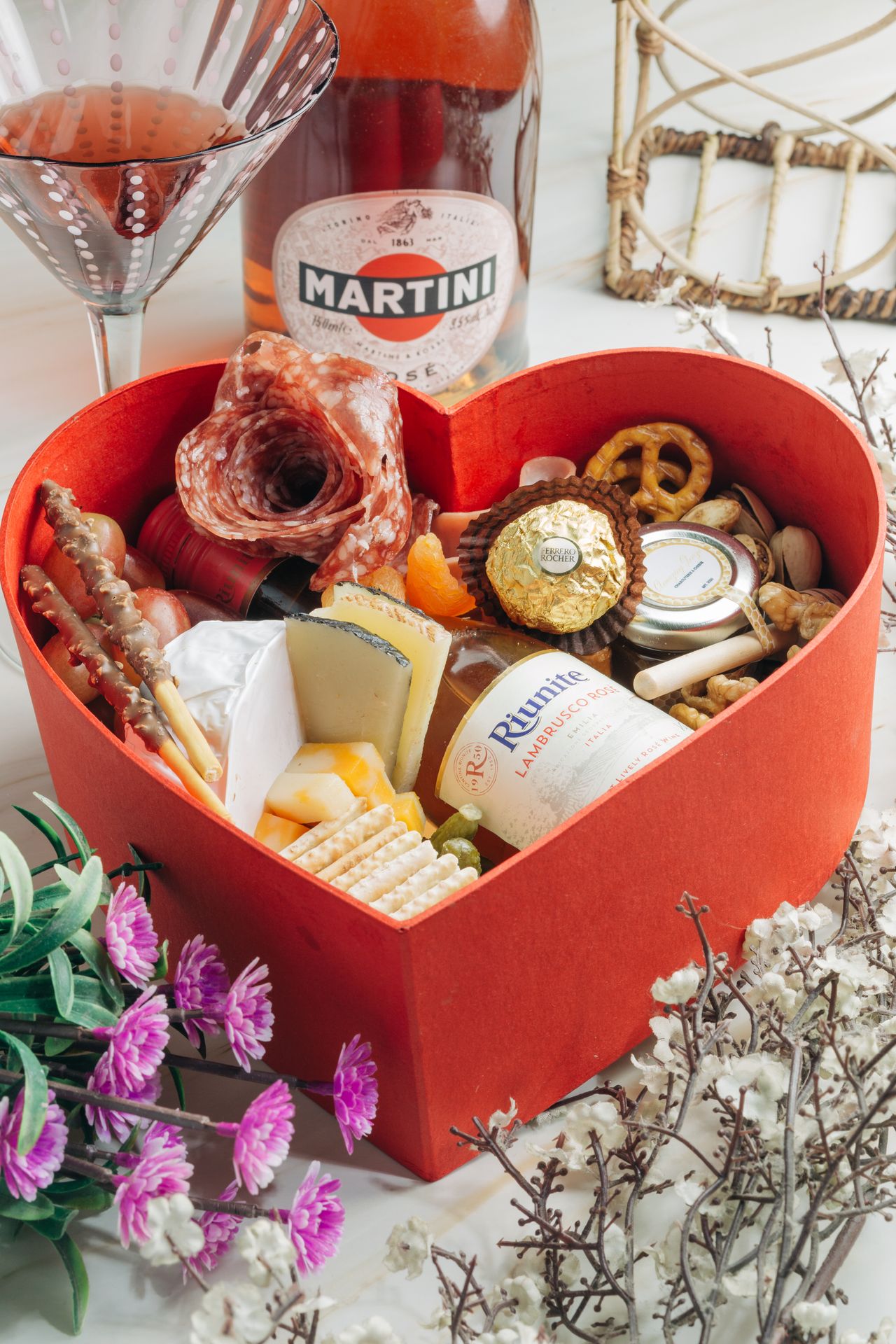
Buying a present for someone you know well can be surprisingly difficult. Familiarity does not always produce a useful idea, particularly when the recipient buys what they need, has limited space or prefers consumable gifts. A food hamper solves several of those problems, but the choice still deserves thought. The best one reflects how the recipient eats, who they share food with and what the occasion calls for.
A large basket is not automatically more personal than a compact gift box. Presentation matters, yet the contents will decide whether the present feels carefully chosen. Before comparing products, picture the recipient opening the gift at home. Think about the foods they reach for, whether they drink alcohol and whether they are likely to share. That simple exercise gives you a much better starting point than price alone.
Start with the person, not the packaging
It is easy to be drawn to a wicker basket or a smart wooden box, but packaging should come after the recipient’s tastes. Someone who enjoys a relaxed evening with wine and cheese may appreciate a savoury selection with crackers and chutney. A household with children might get more use from a sharing box containing biscuits, chocolate and other treats. For a person who rarely drinks, an alcohol-free food hamper avoids giving them an item they will pass on to somebody else.
Dietary requirements need the same care. Vegan and gluten-free options are widely available but check the full product description rather than relying on the name or one prominent item. If an allergy is involved, read the allergen information and contact the retailer when anything is unclear. This is especially important when a hamper contains several products made by different producers.
Match hampers to the occasion and the way they will be enjoyed
The range of hampers available through Highland Fayre includes food and drink gifts for birthdays, anniversaries, thank you presents, new homes and business occasions. Choosing by occasion can narrow the search, but it should not replace what you know about the person. A birthday label will not rescue a selection filled with foods they never eat.
Think about the setting too. A new-home gift may be opened while boxes are still being unpacked, so ready-to-eat snacks, tea, coffee or a bottle for the evening can be practical. An anniversary gift can support a quiet night in, perhaps with wine, cheese and sweet treats. A thank you hamper for a family should contain enough variety for more than one person, while a gift for somebody living alone may be better in a smaller size with fewer perishable items.
The season can influence the contents without controlling them. Rich puddings and festive flavours suit December, but lighter biscuits, preserves and drinks may feel more appropriate in spring or summer. You can also use the recipient’s plans as a guide. If they are hosting, choose items that can go straight onto the table. If they are travelling soon, avoid a hamper that needs to be eaten immediately.
Set a useful budget before browsing food gifts
A clear budget keeps the search manageable and helps you judge value more sensibly. Include delivery in the total, especially when ordering for an address in a remote part of the UK. Retailers may apply different rates or exclusions for the Highlands, islands and other locations, so read the current delivery terms before paying.
Once you have a figure, compare the contents rather than counting products. Ten small items are not necessarily better than six well-matched ones. Look at pack sizes, the balance of sweet and savoury food, the type of drink included and whether the container can be reused. A hamper built around a clear idea often feels more coherent than a broad assortment assembled to make the list look long.
For a group present, decide whether the budget needs to cover shared food or individual treats. Office teams generally benefit from packets that are easy to divide, while a couple may prefer products intended for a cheeseboard or supper. If several people are contributing, agree the amount and recipient preferences before anyone starts shopping. This prevents a more expensive basket from being chosen simply because the group has not discussed what would be suitable.
Look closely at presentation, delivery and the gift message
The recipient sees the outer packaging before the food, so good presentation has a real job to do. Check whether the hamper arrives ready to give, how fragile products are protected and whether the photograph shows the actual container. Traditional baskets suit milestone occasions, while gift boxes and bags can be easier to store or recycle. There is no single correct format.
Delivery is part of the present as well. Confirm whether the date selected at checkout is a delivery date or a dispatch date, particularly during busy periods. Make sure the recipient will be available or has a safe arrangement for the parcel. Ordering early gives more room to solve address errors and seasonal delays.
A personal message completes the gift. Keep it specific enough that the recipient understands why you chose it. A short reference to the birthday, new home or help they gave you is more meaningful than a generic greeting. If the parcel is going directly to them, include your name clearly. The finest food selection can still cause confusion if nobody knows who sent it.
Make the final choice with confidence
Before ordering, run through five points: taste, dietary needs, household size, delivery timing and total cost. Then check the list of contents once more. This catches common mistakes, such as choosing red wine for a white-wine drinker or ordering a large sharing basket for someone about to go away.
A thoughtful hamper does not need to contain every possible treat. It needs to make sense for the person receiving it. When the food suits their habits, the size fits their household and the message explains the occasion, the present feels considered long after the ribbon has been removed.
